Hidden GemsHidden Gem
Valmiki Ashram
Bithoor, Kanpur Nagar district. , Kanpur

Is Jagah Ke Baare Mein
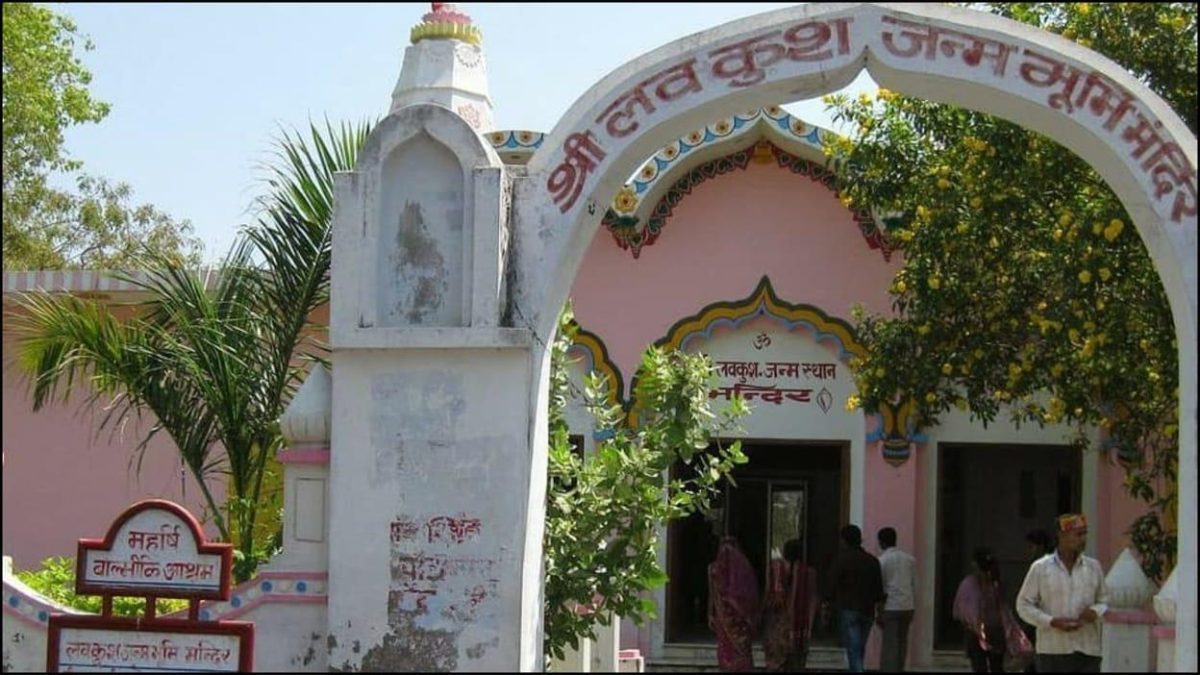
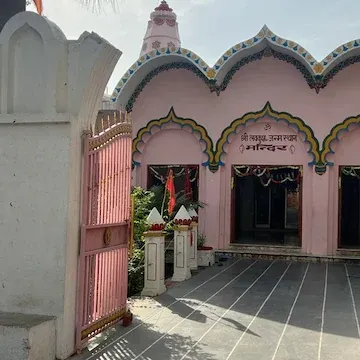
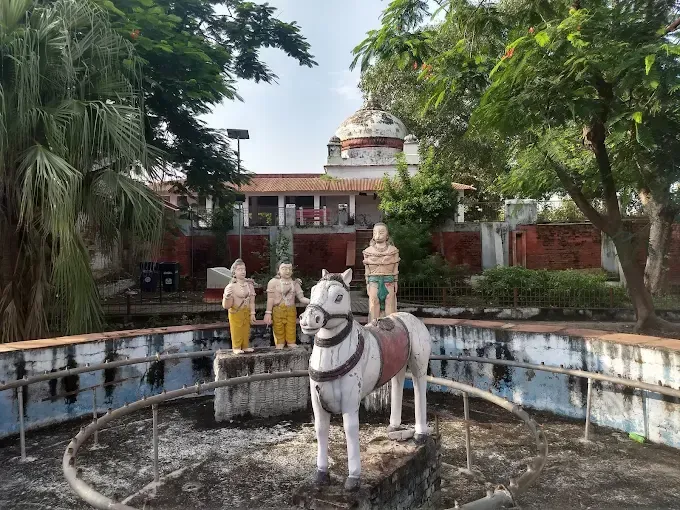
Bithoor is known for its connection with stories from the Ramayana. Lav-Kush Temple is a potential stop for visitors exploring these traditions and the town's religious landmarks.
Highlights
Religious Significance
Ramayana Connection
Believed Birthplace of Luv and Kush
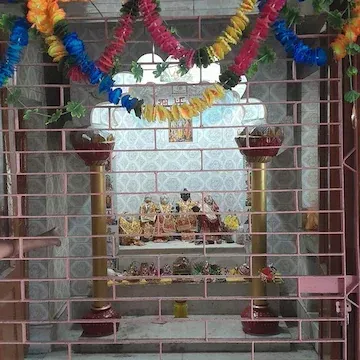
Temple Darshan
Spiritual Atmosphere
Location
Open in Google MapsExplore Hidden Gems in Kanpur
Valmiki Ashram, Bithoor, Kanpur, Uttar Pradesh
Discover Valmiki Ashram: A Sacred Destination Connected to the Ramayana
Step into the world of the Ramayana at Valmiki Ashram in Bithoor, Kanpur, Uttar Pradesh, a revered spiritual destination where ancient legends, devotion, and history come together. Perched on a hillock and surrounded by peaceful greenery, this sacred site is traditionally associated with Maharishi Valmiki, the revered sage believed to have composed the Ramayana, and the period when Mata Sita lived in exile and raised her twin sons, Luv and Kush.
According to Hindu tradition, the ashram is connected with important events from the Ramayana, including the upbringing of Luv and Kush under Maharishi Valmiki's guidance and the story of Mata Sita's final return to Mother Earth. Today, the site attracts devotees, families, pilgrims, and travellers interested in Hindu mythology, religious heritage, and the cultural history of Bithoor.
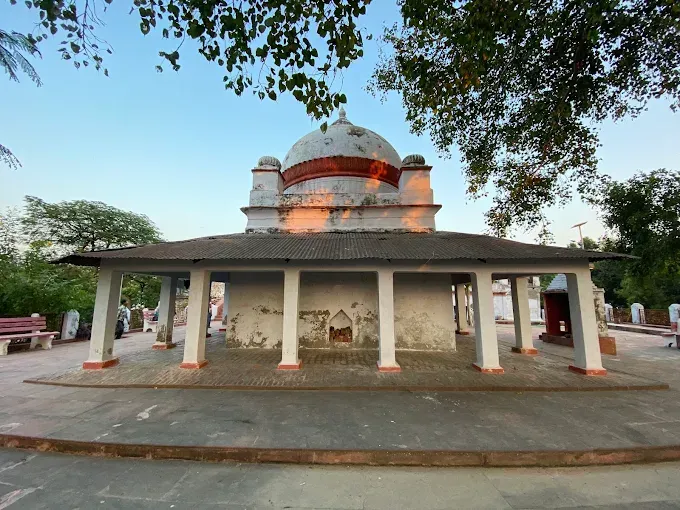
Visitors can explore sacred shrines, the legendary Sita Kund, Sita Rasoi, the historic Deep Malika Stambha, and other religious landmarks within the ashram complex. Its elevated location also offers a peaceful setting and panoramic views of the surrounding area.
Places to Explore Inside Valmiki Ashram
Maharishi Valmiki Temple:
Dedicated to Maharishi Valmiki, the revered sage traditionally associated with composing the Ramayana, this temple is one of the principal attractions within the ashram. Visitors come here to offer prayers and learn about the sage's spiritual legacy and his connection with the epic.
Mata Sita Temple:
The shrine dedicated to Mata Sita commemorates her association with the ashram during her period of exile. According to the Ramayana tradition, she found refuge here and raised Luv and Kush under the guidance of Maharishi Valmiki. The temple is an important place of devotion for visitors seeking to honour her life and legacy.
Sita Kund (Janaki Kund):
Sita Kund is a small sacred water pool within the ashram. According to local religious tradition, Mata Sita used this water source during her stay. Also referred to in some accounts as Janaki Kund, the site holds spiritual significance for pilgrims and forms an important part of the ashram's heritage.
Sita Rasoi:
Sita Rasoi is a traditional site associated with Mata Sita's daily life at the ashram. Local belief connects it with the place where she prepared food for the residents. The preserved structure and its traditional associations offer visitors a glimpse into the stories and domestic life linked to the Ramayana.
Swarga Naseeni (Stairway to Heaven):
Swarga Naseeni is the historic staircase leading up to the elevated part of the ashram. Commonly described as having approximately 48–49 steps, it is traditionally associated with the name “Stairway to Heaven.” The climb is a distinctive part of the visit, and the higher viewpoint provides a panoramic view of the surrounding landscape.
Deep Malika Stambha:
Located near Sita Rasoi, the Deep Malika Stambha is a distinctive traditional lamp tower featuring niches designed for lighting lamps. Some accounts describe it as having 365 lamp niches, symbolically associated with the days of the year. Its traditional architecture and religious associations make it a notable feature of the ashram complex.
Ancient Shiva Shrine:
The ashram complex is also associated with an old Shiva shrine featuring a black stone Shiva Lingam. Religious accounts describe the shrine as an important part of the site's heritage. Devotees visit to offer prayers to Lord Shiva and experience the spiritual atmosphere of this historic place.
Hanuman Shrine:
A shrine dedicated to Lord Hanuman is also reported within the ashram complex. It connects with the wider Ramayana tradition and stories involving Luv and Kush. Devotees visit to seek blessings and pay their respects to Lord Hanuman.
Ramayana Stambh:
The Ramayana Stambh, or Ramayana pillar, is another feature associated with the ashram's religious heritage. It commemorates the epic traditionally linked to Maharishi Valmiki and the sacred stories connected with this location.
Ancient Trees and the Traditional Teaching Site:
The ashram contains old trees that are held in reverence by local devotees. One tree is traditionally associated with the place where Maharishi Valmiki taught Luv and Kush. This peaceful setting reflects the ashram's association with learning, spiritual practice, and the upbringing of the twins.
Viewpoint Overlooking Bithoor:
Because the ashram stands on elevated ground, visitors can enjoy views of the surrounding landscape from its upper areas. The viewpoint offers a peaceful place to pause, appreciate the natural surroundings, and take in the historic setting of Bithoor.
Religious and Historical Significance:
Valmiki Ashram is closely connected with the Ramayana tradition and the stories of Maharishi Valmiki, Mata Sita, Luv, and Kush. According to religious belief, the ashram was where the twins grew up and received guidance and education from the sage. The site is also associated with the reunion of Lord Rama with his family and the story of Mata Sita's return to Mother Earth.
These traditions make the ashram an important destination for devotees and visitors interested in India's epic literature, religious heritage, and ancient cultural narratives.
Best Time to Visit:
The cooler months, particularly October to March, are generally comfortable for exploring Bithoor and its religious landmarks. Visitors may also consider visiting during Maharishi Valmiki Jayanti, when devotees gather to honour the revered sage. Festival dates vary each year.
